5 Grocery Store Flowers I Stopped Wasting Money On
An analysis of which supermarket blooms drain budgets without delivering arrangement value, based on repeated purchasing mistakes.

Stories from the studio where petals meet intention. Techniques, seasonal shifts, and the quiet discipline behind arrangements that hold their ground.
 Budget Floral Design
An analysis of which supermarket blooms drain budgets without delivering arrangement value, based on repeated purchasing mistakes.
 Budget Floral Design
Testing household items as floral foam substitutes revealed which options support stems effectively while reducing recurring supply expenses.
 Budget Floral Design
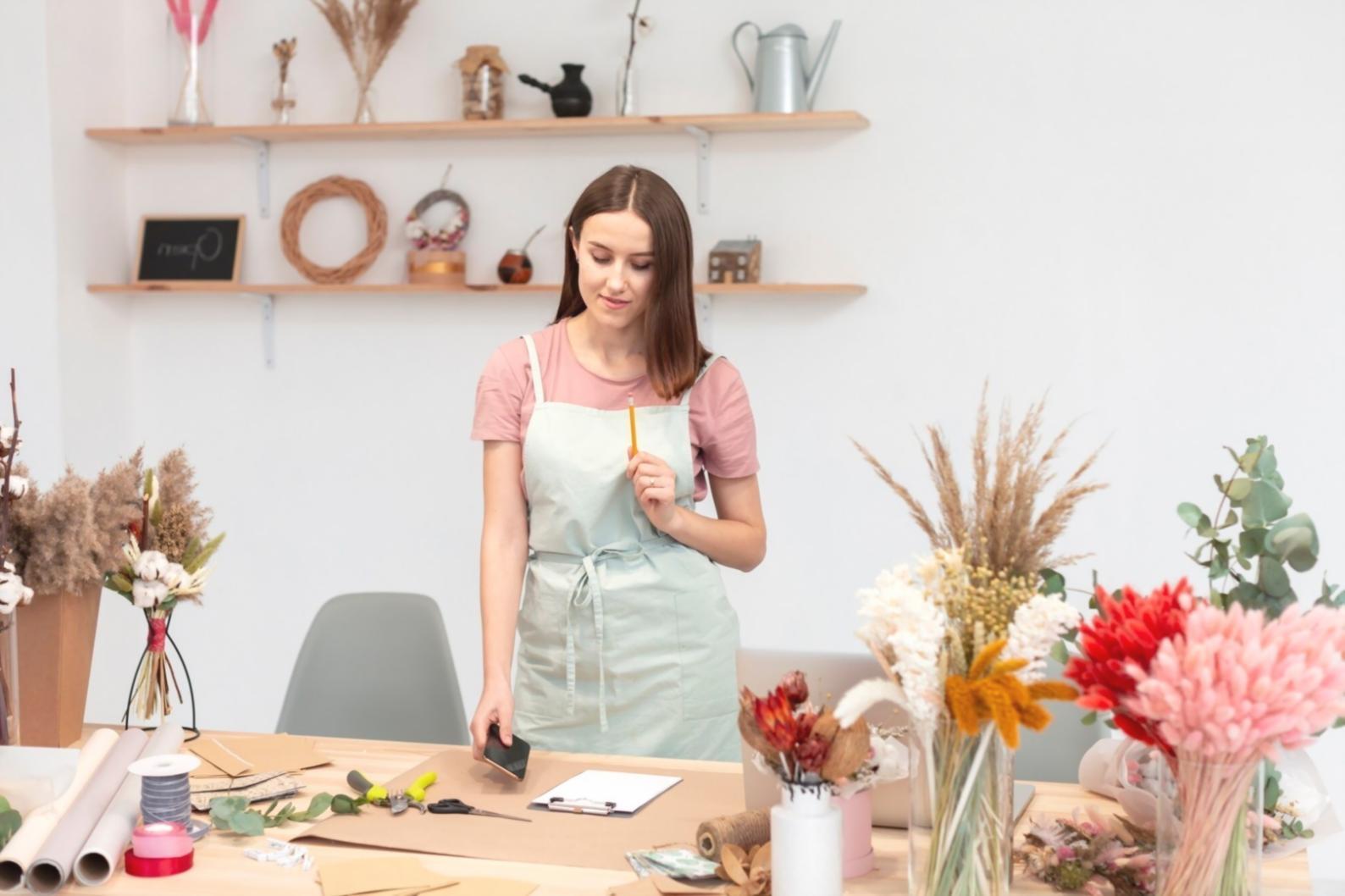
Examining how incorrect stem preparation techniques reduced flower longevity and increased replacement frequency in budget arrangements.
 Budget Floral Design
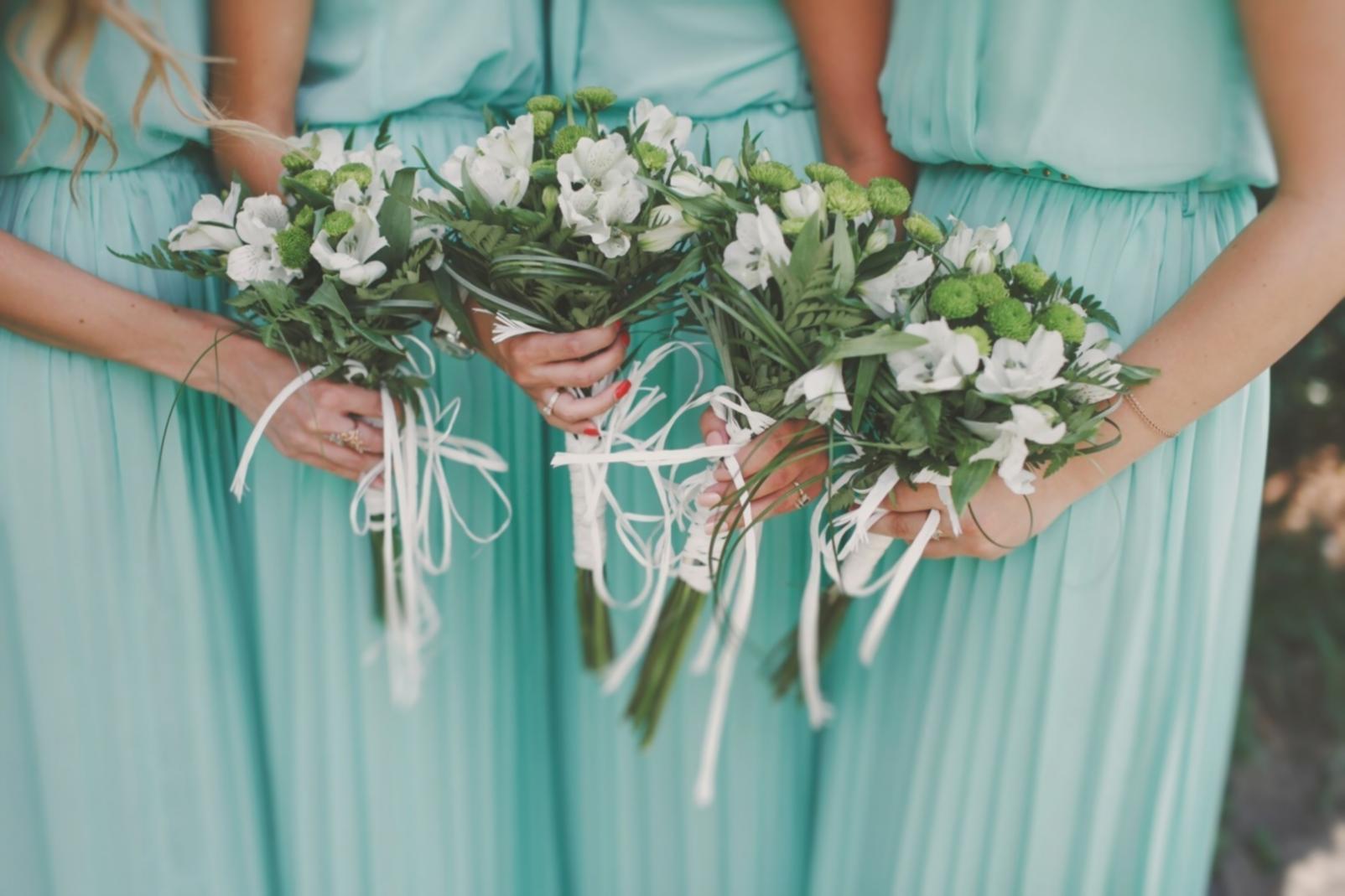
Analyzing which purchased vases and vessels proved impractical for budget floral work, and what household items replaced them effectively.
 Budget Floral Design
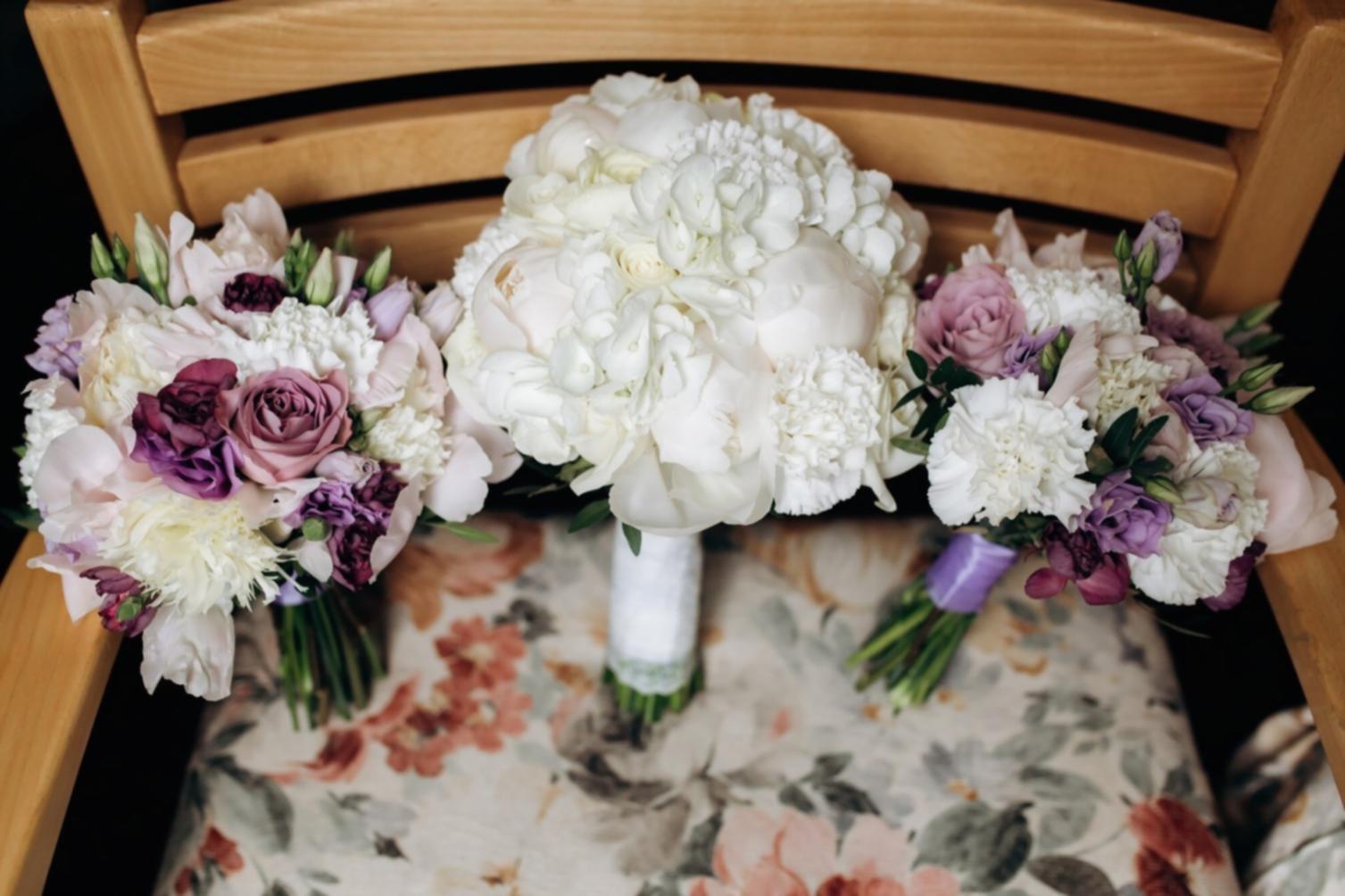
How strict adherence to traditional balance principles increased flower consumption unnecessarily in home arrangements on limited budgets.
 Budget Floral Design
Identifying free foliage sources that replaced purchased filler materials in arrangements without compromising visual quality or stem support.
Four principles that shift floral work from decorative to deliberate. They're not rules you memorize but instincts you build through repetition and observation.
The relationship between vessel and bloom dictates visual weight. A mismatch creates tension that pulls the eye away from the composition itself.
Repetition of color, texture, or form creates a path for the viewer's attention. Without it, arrangements feel scattered rather than intentional.
The gaps between stems matter as much as the stems themselves. Restraint allows each element to register individually before the whole emerges.
One element must anchor the viewer's gaze before releasing it to explore the rest. Without hierarchy, the eye never settles and the piece loses impact.
Every quarter brings different materials, different challenges. Understanding the calendar means working with natural availability rather than fighting it through imported substitutes that never quite land the same way.
Tulips and ranunculus dominate. Soft stems require careful handling and shorter vase life.
Dahlias and zinnias peak. Heat accelerates wilting so early morning cuts become essential.
Chrysanthemums and asters arrive with texture. Cooler temperatures extend display duration significantly.
Amaryllis and evergreens carry weight. Limited variety demands more creative use of branching and foliage.
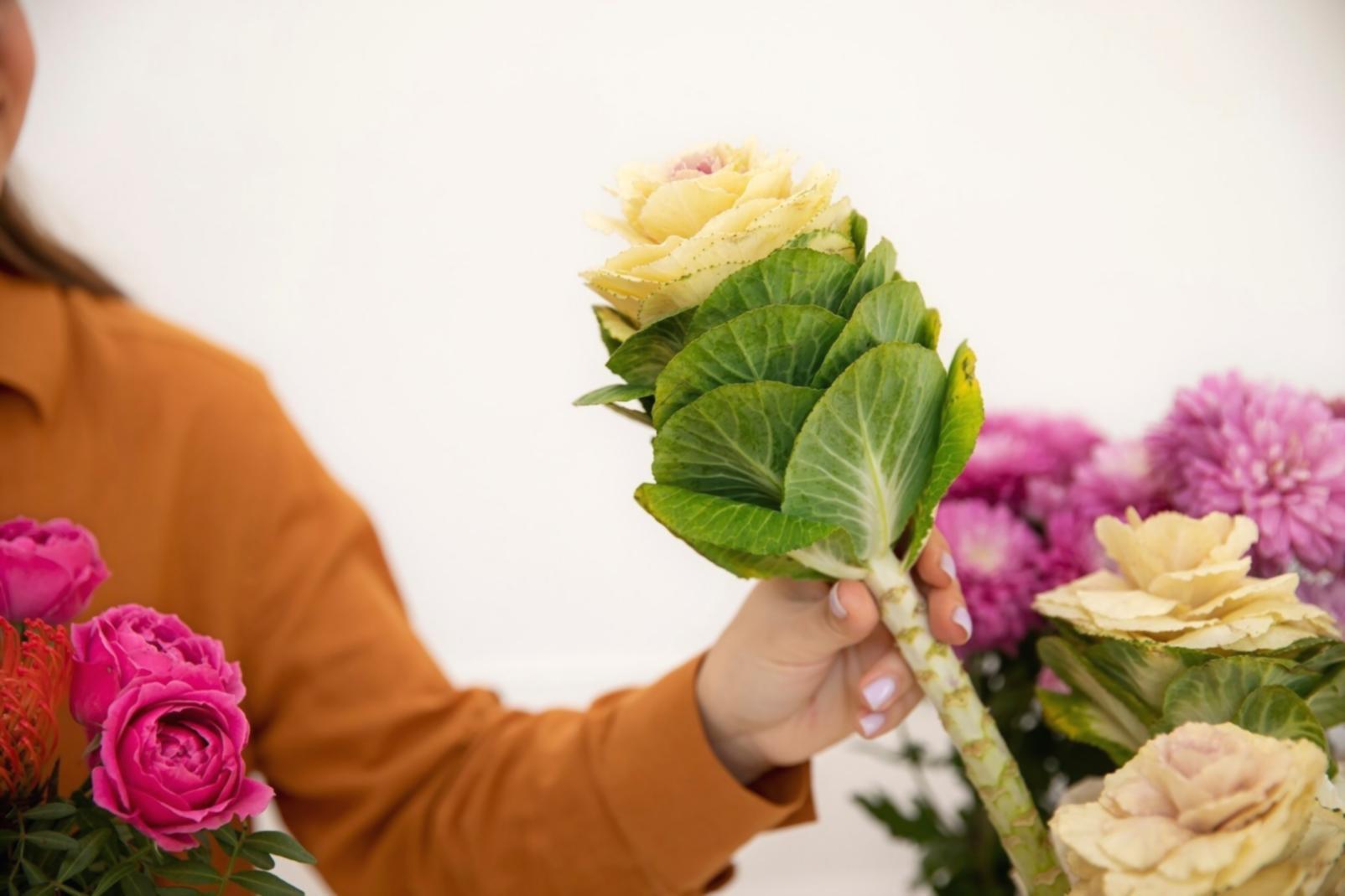
Techniques make more sense when you see someone else navigate the same problem you're stuck on. Our instructors don't perform—they demonstrate, explain their reasoning, and show you what to look for when something isn't working.
Most students join because they've hit a plateau working alone. The shift happens when you realize that floral design isn't about copying arrangements but understanding why certain decisions create stability, balance, or visual interest.

Lead Instructor

Workshop Coordinator